
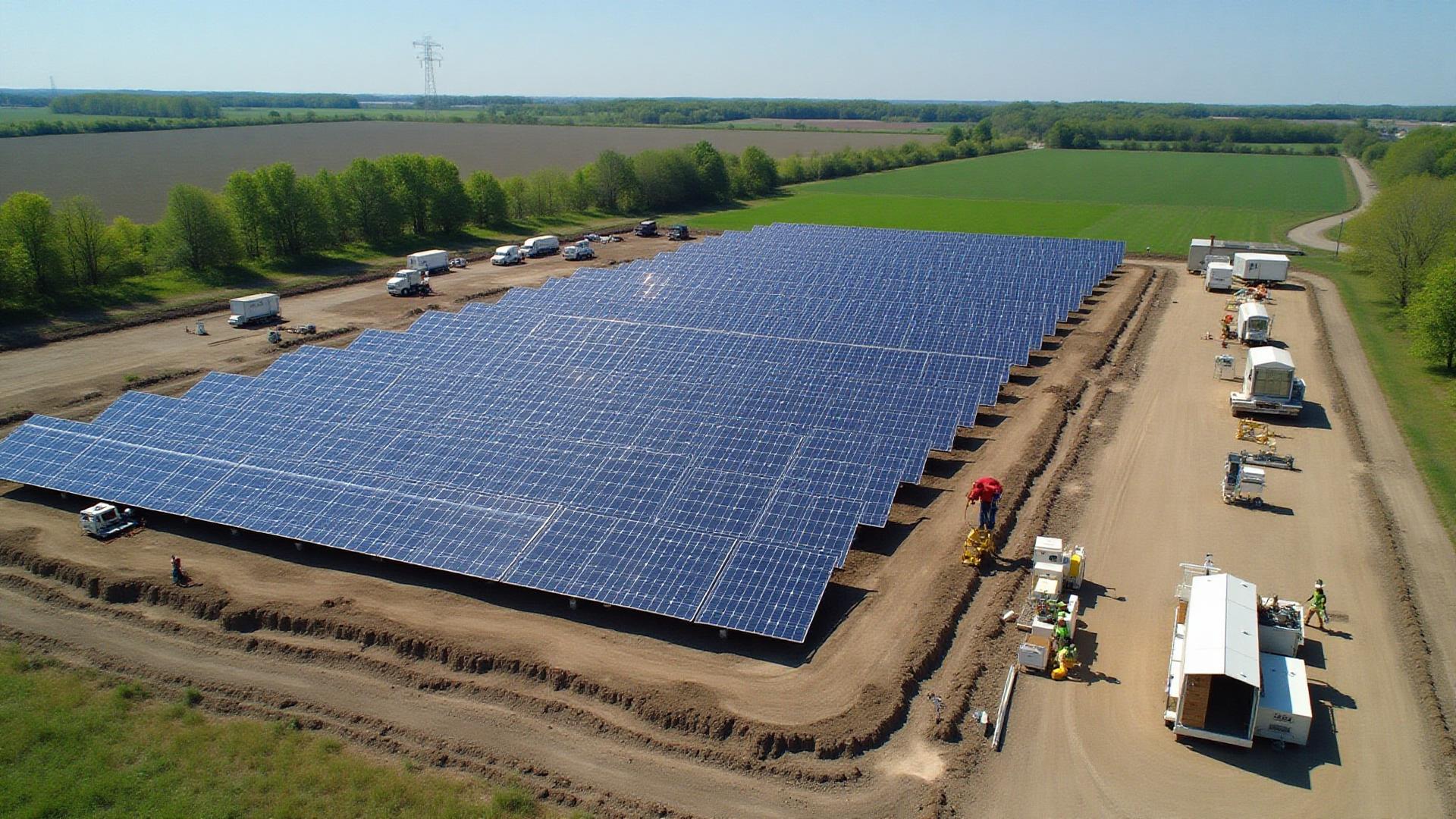
One of the most critical factors in determining whether your Maryland property is suitable for solar development is its proximity to existing electrical infrastructure. Understanding grid connection requirements can help you assess your land's potential value for solar leasing.
Why Grid Connection Matters
Solar farms must connect to the electrical grid to deliver the power they generate. The cost and feasibility of this connection significantly impacts project economics. Properties with favorable grid access command higher lease rates and are more attractive to developers.
Key Grid Connection Factors
1. Proximity to Substations
Substations are the critical link between solar farms and the broader electrical grid. In Maryland, ideal properties are typically:
- Within 2 miles: Most favorable for development, minimal interconnection costs
- 2-5 miles: Generally feasible with moderate infrastructure investment
- Beyond 5 miles: May require significant investment in transmission lines
Matrix Solar's site assessment includes mapping nearby substations and evaluating connection feasibility.
2. Three-Phase Power Availability
Community solar projects typically require three-phase electrical service for grid interconnection. Properties near existing three-phase power lines have a significant advantage. In rural Maryland, three-phase power is often found along:
- Major roads and highways
- Industrial or commercial areas
- Areas with existing agricultural processing facilities
3. Grid Capacity and Hosting Capacity
Even if infrastructure is nearby, the local grid must have available capacity to accept new solar generation. Maryland utilities maintain "hosting capacity maps" that show where new generation can be accommodated. Key considerations include:
- Current load on nearby circuits
- Existing solar or other generation in the area
- Planned grid upgrades or improvements
- Voltage regulation requirements
Maryland Utility Territories
Different utilities serve different areas of Maryland, each with their own interconnection processes:
BGE (Baltimore Gas & Electric)
Serves central Maryland including Baltimore and surrounding counties. BGE has been active in processing community solar interconnection requests and maintains detailed hosting capacity information.
Pepco
Serves the Washington D.C. metropolitan area including Prince George's and Montgomery counties. Pepco has specific requirements for solar interconnections in their territory.
Delmarva Power
Serves Maryland's Eastern Shore. Rural areas in this territory may have different grid characteristics than more urbanized areas.
Potomac Edison (FirstEnergy)
Serves Western Maryland. This territory includes areas with significant solar development potential due to available agricultural land.
The Interconnection Process
Connecting a solar project to the grid involves several steps:
1. Pre-Application Study
Initial screening to identify potential issues and costs. This typically takes 2-4 weeks and provides preliminary information about interconnection feasibility.
2. Interconnection Application
Formal application submitted to the utility with detailed project specifications. The utility then conducts impact studies to determine necessary upgrades.
3. System Impact Study
Detailed engineering analysis of how the project will affect grid operations. This study identifies any required infrastructure upgrades and their costs.
4. Facilities Study
Final detailed design and cost estimate for interconnection facilities. This provides the basis for the interconnection agreement.
5. Interconnection Agreement
Contract between the project owner and utility specifying terms, costs, and responsibilities for the grid connection.
Costs and Who Pays
Interconnection costs can range from minimal (for projects with favorable grid access) to millions of dollars (for remote locations requiring significant infrastructure). As a landowner:
- The solar developer typically bears all interconnection costs
- Higher interconnection costs may affect lease rates offered
- Properties with better grid access command premium lease payments
What Makes Your Property Attractive
From a grid connection perspective, the most valuable Maryland properties for solar development typically have:
- Substations visible from the property or within 2 miles
- Three-phase power lines along property boundaries
- Location in areas with available grid capacity
- Access to roads that can accommodate construction equipment
- Minimal existing solar generation in the immediate area
Recent Grid Developments in Maryland
Maryland's push toward 50% renewable energy by 2030 has prompted significant grid investments:
- Utilities are upgrading substations to accommodate more solar
- New transmission projects are expanding grid capacity
- Smart grid technologies are enabling more distributed generation
- Community solar programs have streamlined interconnection processes
How Matrix Solar Evaluates Grid Access
Our site assessment process includes comprehensive grid analysis:
- Mapping all substations and transmission lines within 5 miles
- Reviewing utility hosting capacity data
- Analyzing historical interconnection approvals in the area
- Estimating interconnection costs and timelines
- Identifying potential grid upgrade requirements
Wondering About Your Property's Grid Access?
Matrix Solar provides free property assessments that include comprehensive grid connectivity analysis. Find out if your land has favorable grid access for solar development.
Request Free Assessment